Get and sort files
Take in the file types in the plan. Name the kind of document or case.
Build one tool that gets documents, reads the facts you need, checks them, sends hard cases to a person, and moves approved data to the next step. It is made for your process, and your business owns it.
The tool may read a PDF, email file, scan, or form. The real value comes next. It checks key facts, compares data, shows doubt, asks a person to review, updates another system, and keeps a record.
We build around the full process you use now. AI can help read, sort, and sum up files when a fixed form is not enough. A clear check, safe access, and a place for hard cases are still needed.
Take in the file types in the plan. Name the kind of document or case.
Pull out names, dates, items, numbers, totals, terms, or other facts you list.
Check needed facts. Send unclear or unusual cases to a person instead of making a silent guess.
Move approved data to the next screen, file, note, or system. Keep a clear status history.
For work that has a real effect, doubt must be easy to see and check. The written plan says what can move on by itself and what always needs a person.
We start with real samples and a clear list of file types the tool will support.
We name the facts to find and how they will be used. We do not ask the tool to understand everything.
Missing, unclear, or wrong data goes to a clear review list.
We agree on access, storage, how long data stays, and any outside services before work starts.
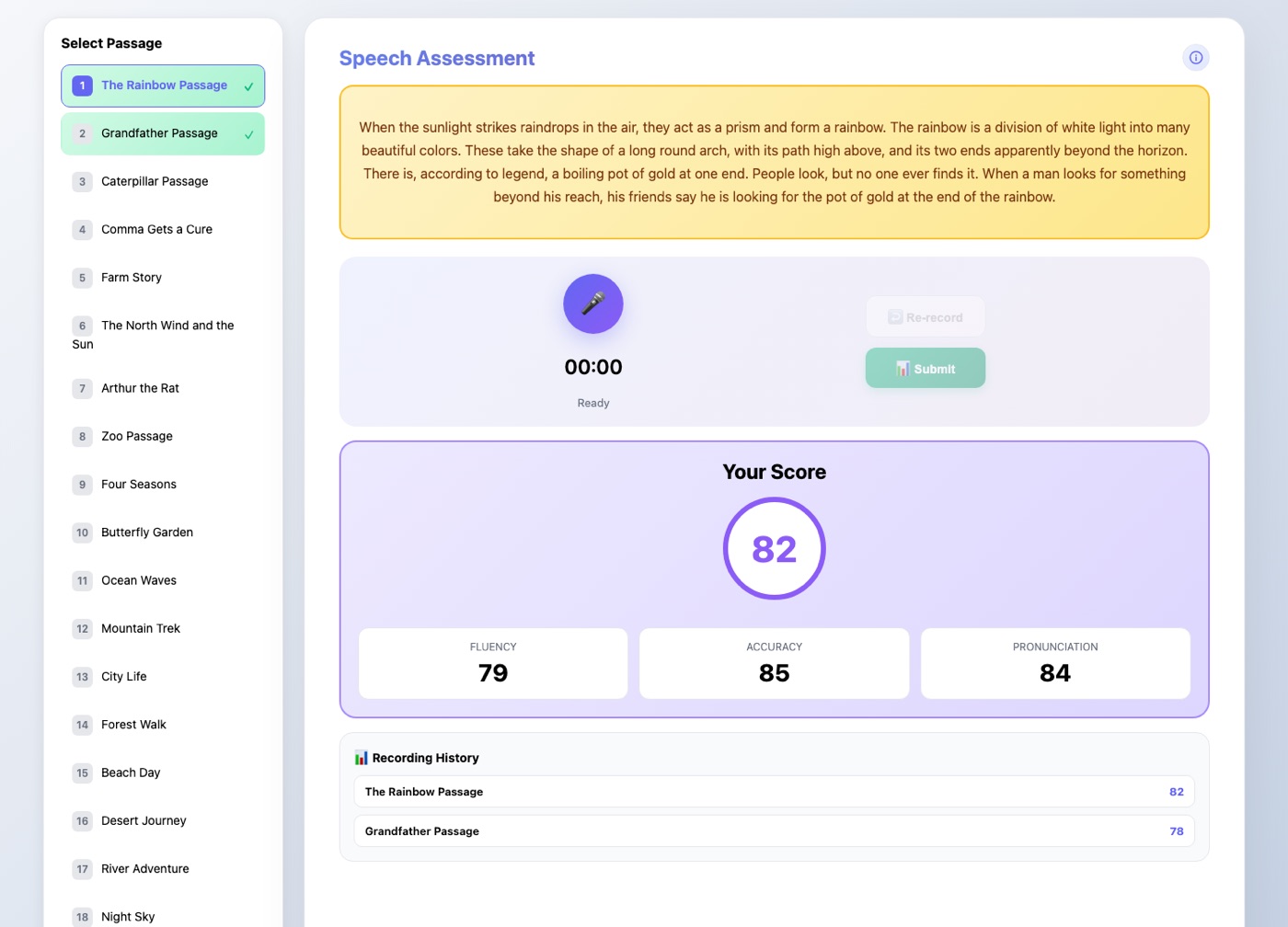
We built a web practice tool for TalkTalk Global. It takes saved speech, gives a clear set of scores, and tracks progress. This is not a document tool. It shows the same core skill. The software takes a varied input, does a set job, and gives the user a useful record.
The client gave us permission to show this work. We do not claim use or score facts because no outside party has measured them.
See the project and notesAccuracy depends on your documents, and any firm that gives you a single percentage without seeing them is guessing. What we do instead is design for the fact that it will sometimes be wrong: confidence checks, a review step for anything uncertain, and a clear record of what was changed. A process that catches its own errors beats one that claims it has none.
The ones that repeat. Invoices, purchase orders, forms, statements, applications and similar. Clean digital files are straightforward, scans and photographs are harder, and handwriting is the hardest. We will tell you which category yours fall into before you commit.
AI is used where it genuinely reads better than fixed rules, and fixed rules are used where they are safer and easier to explain. Where a document is processed, and by which service, is written into the plan before you pay, so you know exactly what leaves your systems and what does not.
Evan Atha reads each request, usually the same business day. He will send a useful plan, ask a few questions, or tell you if the work is not a fit.